

Trauma and PTSD Therapy in Great Neck, NY
After a frightening or painful experience, it's common to feel on edge, avoid reminders, or have memories that won't stay in the past. We offer evidence-based trauma treatment for children, teens, and adults, in person in Great Neck and by telehealth.
What trauma and PTSD can look like
Trauma can follow a single event, like an accident, an assault, or a sudden loss, or it can build over time through abuse, violence at home, or ongoing danger. Most people have some reactions afterward. Post-traumatic stress disorder (PTSD) is when those reactions stay strong for more than a month and get in the way of daily life.
In adults
- Unwanted memories, nightmares, or flashbacks
- Avoiding places, people, or conversations that bring it back
- Feeling jumpy, irritable, or always on guard
- Trouble sleeping or concentrating
- Guilt, shame, or a sense that the world isn't safe
- Feeling numb or cut off from people you care about
In children and teens
Children often show trauma through behavior more than words. Younger kids may replay the event in play, cling to parents, have new fears or tantrums, or lose skills like sleeping alone. Teens may pull away, get angry quickly, take risks, or struggle at school. Some children have stomachaches or headaches with no clear medical cause.
Evidence-based trauma treatments we use
We choose a treatment based on age, what happened, and what you or your child is dealing with now.
Prolonged Exposure (PE)
Prolonged Exposure is an evidence-based treatment for PTSD. You gradually approach memories and situations you've been avoiding, at a pace you agree on with your therapist. Over time, the memories tend to lose some of their power, and avoided places and activities become possible again.
Cognitive Processing Therapy (CPT)
Cognitive Processing Therapy is also an evidence-based treatment for PTSD. It focuses on the beliefs that often follow trauma, like "It was my fault" or "I can't trust anyone." You learn to examine those thoughts and develop a more balanced view. CPT can be done with or without writing a detailed account of the event.
Trauma-Focused CBT (TF-CBT) for children and teens
TF-CBT is an evidence-based treatment for children and teens after trauma. It teaches coping skills first, then helps young people make sense of what happened, often by creating a trauma narrative. Parents or caregivers are part of treatment and learn how to support their child at home.
DBT with Prolonged Exposure (DBT-PE) when emotions feel unmanageable
Some people with PTSD also struggle with intense emotions, self-harm, or suicidal thoughts. DBT-PE combines Dialectical Behavior Therapy, which builds skills for staying safe and managing emotions, with Prolonged Exposure once those skills are in place.
Trauma, emotion dysregulation, and self-harm
Trauma and big emotions often go together. If you or your teen has trouble calming down, acts on urges you later regret, or self-harms, DBT may be part of treatment before or alongside trauma work. Learn more about our treatment for emotion dysregulation and our DBT program.
What to expect in treatment
The first sessions are about getting to know you: what happened, how it affects you now, and what you want to be different. You don't have to share every detail right away. Your therapist will explain the options and recommend a plan, and you decide together how to move forward. Trauma treatment is structured, with skills to practice between sessions, and we check in regularly on how it's going.
In person in Great Neck or by telehealth
Our office is at 60 Cuttermill Road, Suite 404, in Great Neck, NY. We see people from Long Island, New York City, and elsewhere, in person and by telehealth.
Fees and insurance
Cognitive Behavioral Associates is an out-of-network provider. We don't take insurance directly. We'll go over fees during your free phone consultation. After you pay, we give you a paid statement (often called a superbill) that you can submit to your insurance company. Whether you get money back depends on your plan. You can check your out-of-network benefits with Reimbursify.
Our trauma team
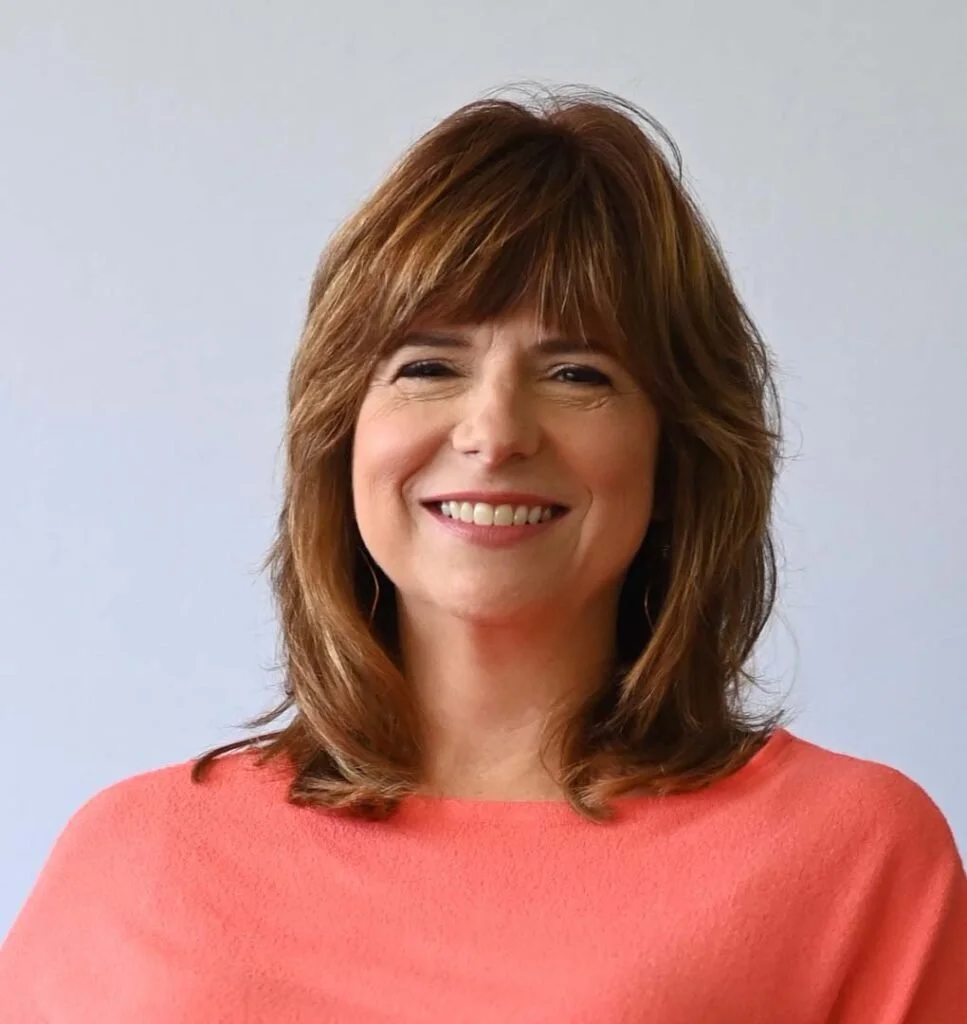
Dr. Ruth DeRosa
Partner and Co-Director
Dr. DeRosa is co-founder and co-director of Cognitive Behavioral Associates. She is an expert in CBT, DBT, PTSD, and adult and child traumatic stress. With colleagues, she developed DBT-informed treatments for teens experiencing chronic extreme stress as part of a federally funded national network of trauma specialists. She serves on the editorial board of the Journal of Child and Adolescent Trauma.
Read Dr. DeRosa's bio
Dr. Gus Cutz
Psychologist
Treats trauma and PTSD in adults and adolescents. He has intensive training in DBT and Prolonged Exposure (PE) and formal training in Cognitive Processing Therapy (CPT).
Bio
Dr. Mekha Thomas
Psychologist
Works with adolescents and adults. She has specialized training in Trauma-Focused CBT (TF-CBT) and DBT Prolonged Exposure (DBT-PE).
Bio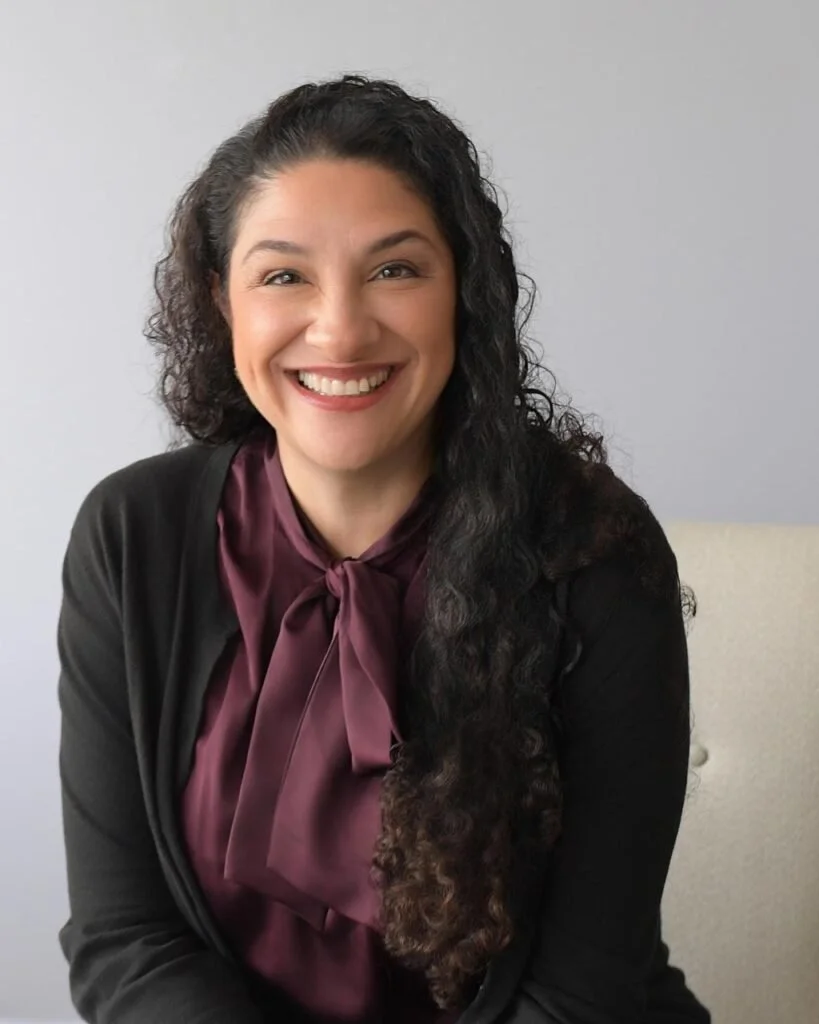
Dr. Hilary Vidair
Director of Program Development
Works with children, teens, and adults on concerns including trauma, and works closely with parents.
BioFAQ about trauma and PTSD therapy
What is the most effective therapy for PTSD?
Prolonged Exposure (PE) and Cognitive Processing Therapy (CPT) are first-line, evidence-based treatments for PTSD in adults. For children and teens, Trauma-Focused CBT (TF-CBT) is an evidence-based option. The right choice depends on your age, history, and goals, and we'll talk through options with you.
Do I have to talk about the trauma in detail?
Not right away, and you stay in charge of the pace. Some treatments, like PE and TF-CBT, include talking through the memory gradually because avoiding it tends to keep symptoms going. CPT can focus mainly on the thoughts that followed the trauma.
How long does PTSD treatment take?
Structured PTSD treatments like PE and CPT are often about 12 to 16 weekly sessions, though many people need more, especially with complex or repeated trauma. We'll give you a clearer sense after the first few sessions.
Can children and teens be treated for trauma?
Yes. We work with children and teens using approaches like TF-CBT, with parents or caregivers involved. Treatment is adjusted to your child's age and development.
What is DBT-PE?
DBT-PE combines Dialectical Behavior Therapy with Prolonged Exposure. It's designed for people with PTSD who also struggle with intense emotions, self-harm, or suicidal thoughts. DBT skills come first, and trauma work begins once it's safe to start.
Do you offer trauma therapy by telehealth?
Yes. We offer trauma therapy in person at our office in Great Neck and by telehealth. We'll help you decide which setting works best for you.
Talk with us about trauma and PTSD
If something that happened is still shaping your days, or your child's, a free phone consultation is a good first step. We'll listen and help you figure out what kind of treatment fits.