

Selective Mutism Treatment for Children and Teens in Great Neck, NY
Some children talk easily at home and go silent at school, with relatives, or around new people. We treat selective mutism with behavioral therapy that builds speaking in small, planned steps, with parents and schools involved.
What is selective mutism?
Selective mutism is an anxiety disorder. A child who speaks comfortably in some places, usually at home, consistently can't speak in others, like school, activities, or with extended family. It isn't defiance and it isn't a choice. The child freezes when speech is expected, and staying quiet brings quick relief, which makes silence more likely next time.
Signs parents and teachers notice
- Talks at home but rarely or never speaks at school
- Whispers, points, nods, or uses a parent to answer for them
- Goes still or looks away when a question is asked
- Speaks to some children but not to adults, or the other way around
- Has been quiet in a setting for more than a month, beyond the first weeks of a new school year
Selective mutism vs. shyness and social anxiety
Shy children warm up and start talking once they feel comfortable. Children with selective mutism often don't, even after months in the same classroom. Many children with selective mutism also have social anxiety, and older kids may describe the same fear of being judged. If your child talks but dreads speaking up, our social anxiety treatment page may be a closer fit.
How we treat selective mutism
Gradual exposure to speaking ("brave talking")
Treatment starts where your child can already succeed. That might be whispering one word to a parent while the therapist is in the room. From there, we add small steps: a new person, a louder voice, a new place. Each step is practiced until it feels easier, and children earn praise and small rewards for brave talking.
PCIT adapted for selective mutism
We use parent coaching adapted from Parent-Child Interaction Therapy (PCIT) for selective mutism. Parents learn to give children chances to talk without pressure: asking open questions instead of yes-or-no ones, waiting a few seconds before stepping in, and praising each answer specifically. The therapist coaches you live while you practice with your child. You can read more about PCIT at Cognitive Behavioral Associates.
Working with your child's school
School is usually where speaking is hardest, so it's often where the plan goes next. With your permission, we talk with teachers about small, realistic speaking steps, ways to avoid accidentally rewarding silence, and how to respond when your child does speak.
Treatment for older children and teens
Selective mutism can last into the tween and teen years, and older kids often feel more embarrassed about it. With teens, we explain the anxiety cycle openly and let them help set the steps. We use CBT tools for anxious thoughts alongside exposure. Parents still play a part, but teens take more of the lead. Treatment for this age group is also the focus of Dr. Ortiz's research, described below.
The parent's role
Parents are central to this work. Most parents of a child with selective mutism have learned to answer for them, because it ends an uncomfortable moment. That's understandable. In treatment, you'll learn when to step back, how to give your child a real chance to speak, and how to keep practice going between sessions. This fits our broader view, reflected in Independence Therapy, that anxious children grow more confident when parents gradually do less for them.
Our research on selective mutism
Most research on treating selective mutism has focused on younger children. Older kids and teens have had much less attention. Dr. Ortiz studied this group with Dr. Rachel Kupferberg and Dr. Shelley Avny. Their study followed 16 young people, ages 10 to 17, through a five-day intensive group behavioral program. At follow-up, two and five months into the next school year, both parents and the young people themselves reported fewer selective mutism symptoms. The teens also reported more confidence in their own abilities and better social skills.
It was a small open trial with no comparison group, so the findings are preliminary. Still, it was one of the first studies of treatment for older youth with selective mutism. The study tested one specific group format, so ask us during your consultation which formats we offer.
Citation: Kupferberg, R., Avny, S., & Ortiz, C. (2026). Intensive group behavioral treatment for older youth with selective mutism: An open trial. Cognitive and Behavioral Practice, 33(1), 70–83. Published online October 2024.
In person in Great Neck or by telehealth
Our office is at 60 Cuttermill Road, Suite 404, in Great Neck, NY. We see families from Long Island, New York City, and elsewhere, in person and by telehealth. Some steps work well over video, and some practice works best in person.
Fees and insurance
Cognitive Behavioral Associates is an out-of-network provider. We don't take insurance directly. We'll go over fees during your free phone consultation. After you pay, we give you a paid statement (often called a superbill) that you can submit to your insurance company. Whether you get money back depends on your plan. You can check your out-of-network benefits with Reimbursify.
Our selective mutism team
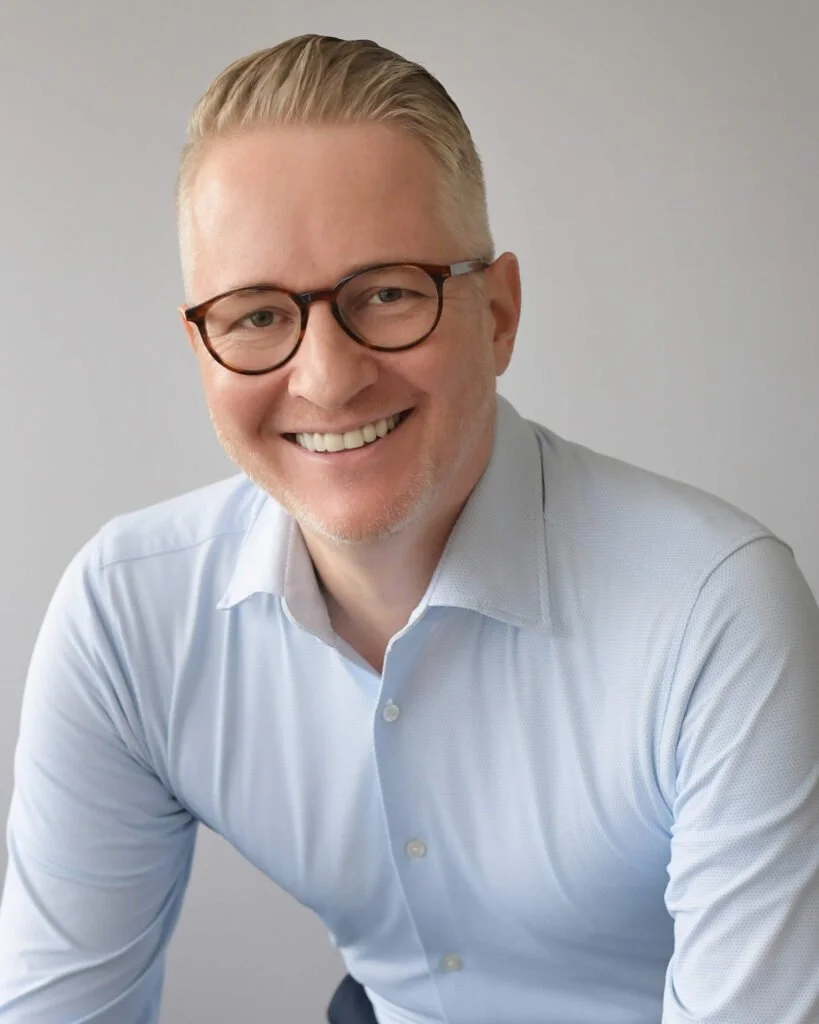
Dr. Camilo Ortiz, Ph.D., ABPP
Partner
Dr. Ortiz is board certified in Behavioral and Cognitive Psychology and is a licensed psychologist in New York and New Jersey. His research focuses on child anxiety, disruptive behavior, parenting, and CBT for children and adults, and it includes a study of intensive group treatment for older children and teens with selective mutism. He co-developed Independence Therapy, an approach to child anxiety in which children practice doing things on their own while parents learn to step back.
Read Dr. Ortiz's bio
Dr. Danielle Virgadamo
Psychologist and Director of Psychological Assessment
Has specialized training in PCIT for selective mutism and in behavioral parent training, and works with children and families on selective mutism, anxiety, and behavior problems.
BioFAQ about selective mutism
What is selective mutism?
Selective mutism is an anxiety disorder in which a child speaks comfortably in some settings, usually at home, but consistently can't speak in others, such as school. It isn't stubbornness or a choice. The child freezes when speech is expected.
Is selective mutism a form of anxiety?
Yes. Selective mutism is classified as an anxiety disorder, and many children who have it also have social anxiety. That's why treatment focuses on facing speaking situations gradually.
How is selective mutism treated?
Behavioral therapy with gradual exposure to speaking is an evidence-based treatment for selective mutism. We build speaking in small steps, coach parents in ways to prompt and praise talking, and work with the school when that helps.
Will my child outgrow selective mutism?
Some children start speaking more as they get older, but many don't without help, and years of silence can make school and friendships harder. Starting treatment early gives your child more chances to practice. A phone consultation can help you decide whether now is the right time.
Do you work with my child's school or teacher?
Yes, with your permission. We can talk with teachers about small speaking steps and how to respond when your child talks. School is often where practice matters most.
Do you treat selective mutism in teens?
Yes. We treat older children and teens, adjusting the approach so teens help set their own goals. CBT for anxious thoughts is added to the speaking practice.
Talk with us about selective mutism
If your child goes quiet at school or around new people, a free phone consultation is a good first step. We'll listen and help you figure out next steps.