

Parent-Child Interaction Therapy (PCIT) in Great Neck, NY
PCIT is a coaching-based treatment for young children with tantrums, defiance, and aggressive behavior. You play with your child while a therapist coaches you in real time, so you practice new skills in the moment instead of just hearing about them.
What is PCIT?
Parent-Child Interaction Therapy (PCIT) is an evidence-based treatment for young children with disruptive behavior. It focuses on the relationship between parent and child and on specific skills for giving instructions and following through. What sets PCIT apart is live coaching: the therapist watches you and your child play and gives you short, specific suggestions as it happens.
Who PCIT is for
PCIT was designed for children roughly 2 to 7 years old and their parents or caregivers. Families with older children often do well with behavioral parent training, which uses many of the same principles. We'll talk with you about which is the better fit for your child's age.
Problems PCIT helps with
Families usually come to PCIT for frequent tantrums, not listening, defiance, hitting or throwing, and power struggles over routines like bedtime and getting dressed. PCIT is also used with children who have ADHD-related behavior problems. A version of PCIT is used for selective mutism.
How PCIT works
Phase 1: Child-Directed Interaction (building the relationship)
In the first phase, your child leads the play and you follow. You learn to praise specific behaviors you want to see more of, describe what your child is doing, and reflect what they say. You also learn to ignore minor misbehavior. This phase comes first because children listen more readily to a parent they enjoy spending time with.
Phase 2: Parent-Directed Interaction (effective commands and consistent follow-through)
In the second phase, you learn to give clear, direct instructions and to follow through the same way every time, including a consistent plan for when your child doesn't listen. Practice starts with simple play commands and moves to real-life situations like cleanup, transitions, and public places.
Live coaching during sessions
During sessions, the therapist coaches you while you play with your child. Coaching is brief and specific: "Nice labeled praise," or "Try describing what she's building." Each phase has clear skill goals, and you move ahead when you've met them.
Practice at home
PCIT asks for about five minutes of special play time at home every day. That daily practice is where much of the change happens. We'll give you simple ways to track it.
PCIT vs. behavioral parent training
PCIT and behavioral parent training come from the same research tradition and share many tools, like specific praise, planned ignoring, and clear instructions. The main difference is format. PCIT relies on live coaching with your child present, and it moves through set phases based on your skills. Behavioral parent training is usually done with parents alone and is more flexible across ages. Learn more about our treatment for behavior problems.
PCIT for selective mutism
PCIT has also been adapted for children with selective mutism. Parents learn to prompt talking without pressure and to praise each answer. Read more about our selective mutism treatment.
In person in Great Neck or by telehealth
Our office is at 60 Cuttermill Road, Suite 404, in Great Neck, NY. We see families from Long Island, New York City, and elsewhere, in person and by telehealth. PCIT coaching can also be done over video while you play with your child at home. We'll help you decide which setup fits your family.
Fees and insurance
Cognitive Behavioral Associates is an out-of-network provider. We don't take insurance directly. We'll go over fees during your free phone consultation. After you pay, we give you a paid statement (often called a superbill) that you can submit to your insurance company. Whether you get money back depends on your plan. You can check your out-of-network benefits with Reimbursify.
Our PCIT team
Dr. Camilo Ortiz leads our PCIT team. He's joined by Dr. Joseph Brier, a postdoctoral psychology fellow who is a certified Parent-Child Interaction Therapy (PCIT) therapist.

Dr. Camilo Ortiz, Ph.D., ABPP
Partner
Dr. Ortiz leads our parent-coaching treatment for young children's disruptive behavior, using PCIT. He is board certified in Behavioral and Cognitive Psychology and is a licensed psychologist in New York and New Jersey. His research focuses on child anxiety, disruptive behavior, and parenting. He co-developed Independence Therapy, an approach to child anxiety in which children practice doing things on their own while parents learn to step back.
Read Dr. Ortiz's bioSupporting clinician

Dr. Joseph Brier
Postdoctoral Psychology Fellow
Dr. Brier is a certified Parent-Child Interaction Therapy (PCIT) therapist. He works with children, adolescents, adults, and parents, and he has specialized training in behavioral parent training. Much of his work with parents focuses on strengthening the relationship, increasing cooperation, and supporting emotion regulation.
Read Dr. Brier's bio
Dr. Danielle Virgadamo
Psychologist and Director of Psychological Assessment
Has specialized training in PCIT for selective mutism and in behavioral parent training, and works with children and families on behavioral problems, anxiety, and selective mutism.
Bio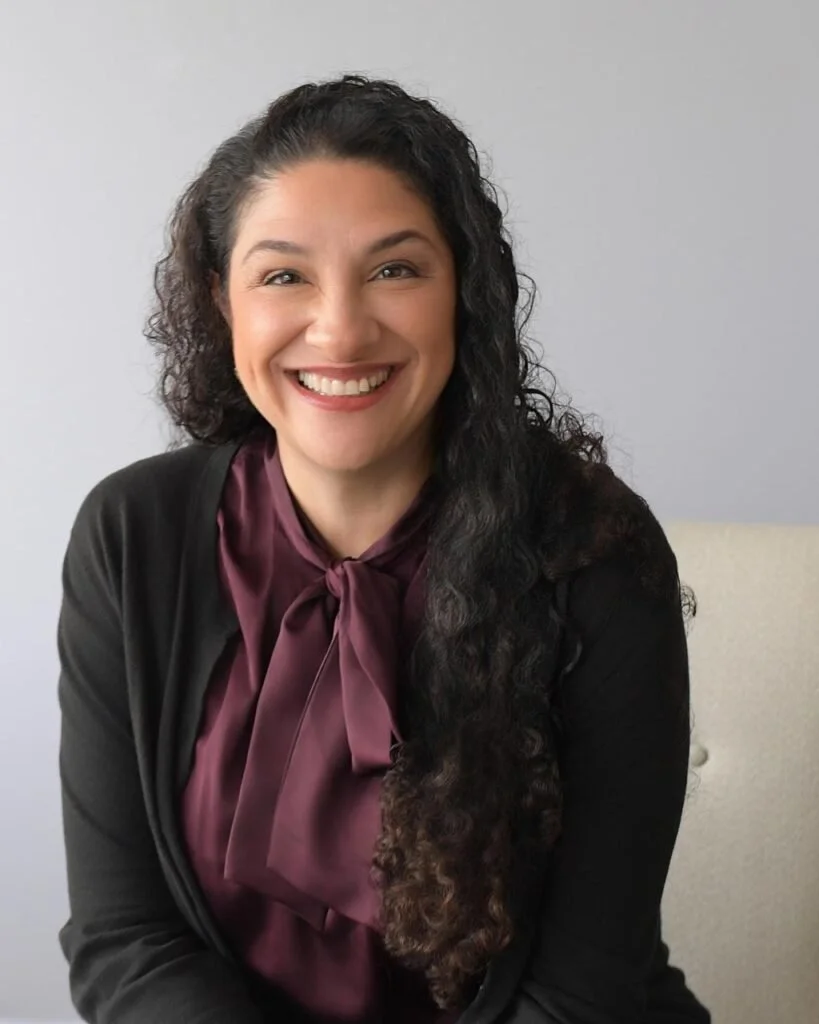
Dr. Hilary Vidair
Director of Program Development
Licensed psychologist with particular expertise in behavioral parent training; co-author of Deliberate Practice in Behavioral Parent Training (APA, 2025).
BioFAQ about PCIT
What is Parent-Child Interaction Therapy (PCIT)?
PCIT is an evidence-based treatment for young children with disruptive behavior, such as tantrums, defiance, and aggression. A therapist coaches parents live while they play with their child. It has two phases: one builds the relationship, and the other teaches clear commands and consistent follow-through.
What ages is PCIT for?
PCIT was designed for children about 2 to 7 years old. For older children, behavioral parent training uses many of the same principles in a format suited to their age. We'll help you decide what fits during your consultation.
How long does PCIT take?
PCIT is based on skill goals rather than a fixed number of sessions, so the length varies. Many families attend weekly for several months. Daily practice at home tends to matter more than anything else for how quickly you move through the phases.
Does PCIT help children with ADHD?
PCIT is used with young children whose ADHD shows up as defiance, impulsive behavior, or frequent conflict at home. It teaches parents skills for those behaviors. It doesn't replace a full ADHD evaluation or other ADHD care when those are needed.
Do both parents need to attend?
It isn't required to get started. When possible, we encourage every caregiver who regularly handles discipline to take part, so your child gets the same response from each adult.
Is PCIT available by telehealth?
Yes. PCIT coaching can be done by video while you play with your child at home. We also see families in person at our office in Great Neck.
Talk with us about PCIT
If tantrums and defiance are running the day, a free phone consultation is a good first step. We'll listen and help you figure out whether PCIT or another parent-focused approach is the right fit.