

School Refusal Treatment in Great Neck, NY
When mornings turn into stomachaches, tears, or a flat refusal to get in the car, school can start to feel impossible for the whole family. We help children and teens return to school step by step, and we coach parents through the hard mornings.
What is school refusal?
School refusal is when a child or teen has ongoing trouble going to school or staying there because of emotional distress. It isn't a diagnosis on its own. It's a pattern, and it usually has a reason underneath it. Some kids miss whole days. Others make it to school but call home, visit the nurse, or leave early.
Signs: stomachaches, Sunday-night dread, late starts, missed days
- Headaches or stomachaches on school mornings that ease once staying home is settled
- Dread on Sunday nights or the night before school
- Crying, pleading, or tantrums at drop-off
- Getting ready slower and slower until it's too late to go
- Frequent calls or texts home, trips to the nurse, or early pickups
- Absences that have started to add up
Common causes: anxiety, social fears, OCD, depression, learning problems
School refusal often grows out of anxiety, including separation anxiety and social anxiety. It can also come from OCD, low mood, trouble with friends, or a learning problem that makes class feel overwhelming. Sometimes being home is simply more appealing than being at school. Figuring out what's driving it shapes the plan.
How we treat school refusal
A step-by-step return-to-school plan
Staying home brings relief right away, which makes the next morning harder. Treatment reverses that cycle in steps your child can manage. A first step might be getting dressed and driving to school, then walking in for one class, then a half day. We build the ladder together, and we move up it as each step gets easier.
CBT and exposure for the fears behind it
Your child learns to name the worry, test it against what actually happens, and face feared situations a little at a time. That might mean practicing separating from a parent, answering a question in class, or walking into the cafeteria. These are core tools of cognitive behavioral therapy (CBT).
Parent coaching for hard mornings
Mornings are where most of the struggle happens. We help you plan a calm, predictable routine, decide ahead of time what you'll say when your child resists, and avoid the long negotiations that usually end with staying home. You'll also learn how to make home during school hours less rewarding without being harsh.
Building independence
Many children who avoid school also lean heavily on parents in other parts of life. Our clinicians developed Independence Therapy, an approach for child anxiety in which children practice doing things on their own while parents learn to step back. For some families, Independence Therapy is a good fit alongside a return-to-school plan for school avoidance.
Working with schools
With your permission, we coordinate with teachers, counselors, and school psychologists. That can mean agreeing on a gradual schedule, a plan for arrival, and who your child checks in with during the day. Everyone responding the same way makes a big difference for anxious kids.
When testing or accommodations help
If a learning problem, ADHD, or another issue may be part of the picture, a psychoeducational evaluation can clarify it. We also help families with testing accommodations documentation.
School refusal in teens
With teens, school refusal is often tied to social pressure, low mood, perfectionism, or falling behind and feeling unable to catch up. Teens usually need more say in the plan. We work with them directly on the worries and habits keeping them home, and with parents on how to support the plan without daily battles. See our therapy for teens page for more.
In person in Great Neck or by telehealth
Our office is at 60 Cuttermill Road, Suite 404, in Great Neck, NY. We see families from Long Island, New York City, and elsewhere, in person and by telehealth.
Fees and insurance
Cognitive Behavioral Associates is an out-of-network provider. We don't take insurance directly. We'll go over fees during your free phone consultation. After you pay, we give you a paid statement (often called a superbill) that you can submit to your insurance company. Whether you get money back depends on your plan. You can check your out-of-network benefits with Reimbursify.
Our school refusal team

Dr. Camilo Ortiz, Ph.D., ABPP
Partner
Dr. Ortiz is board certified in Behavioral and Cognitive Psychology. His scholarship focuses on child anxiety and disruptive behavior, parenting, and cognitive behavior therapy for children and adults. He is the co-developer of Independence Therapy, an approach to treating child anxiety through large doses of child independence.
Read Dr. Ortiz's bio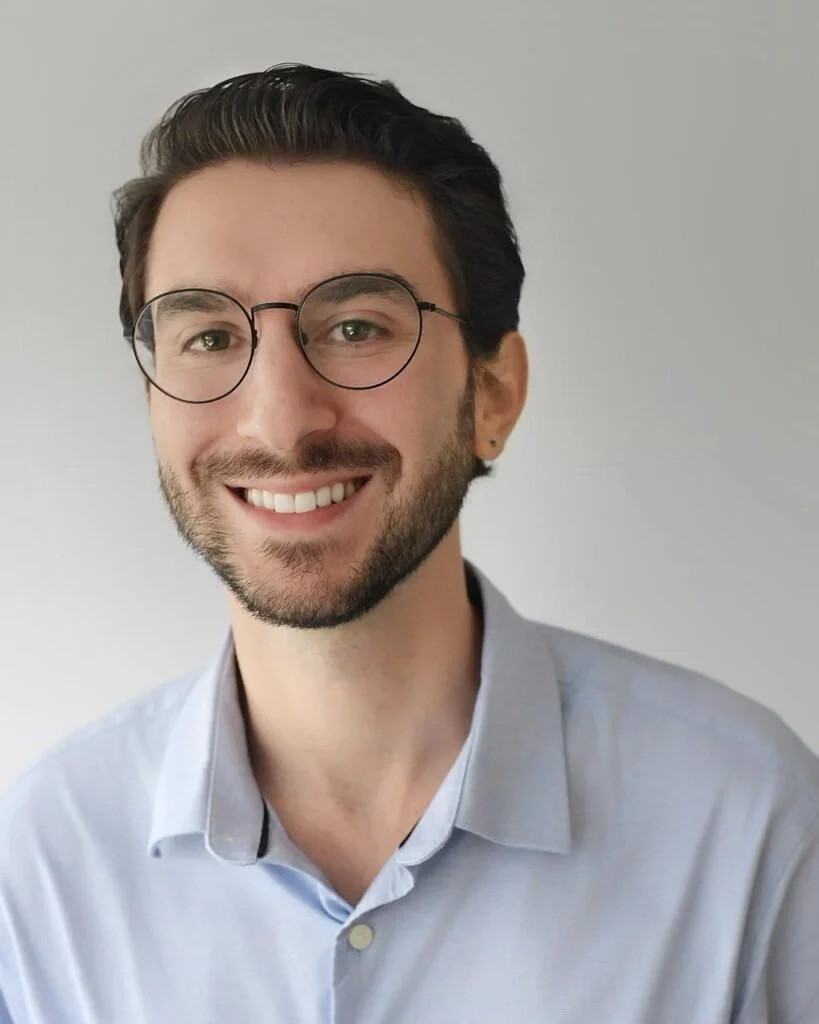
Dr. Matthew Fastman
Psychologist
Treats anxiety, challenging child behavior, and ADHD, among other concerns. His research focuses on anxiety in children, teens, and young adults, and he co-authored the first study and clinician's manual on Independence Therapy.
Bio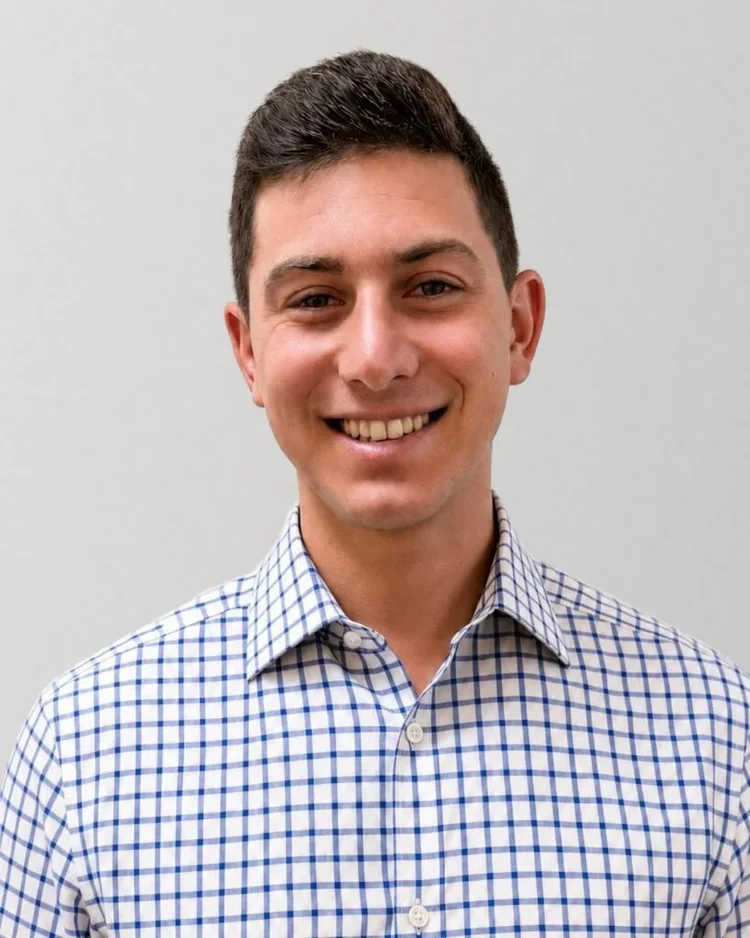
Dr. Joseph Brier
Postdoctoral Psychology Fellow
Works with children, adolescents, and parents on anxiety, OCD, and school refusal, among other concerns.
Bio
Dr. Ryan Schare
Postdoctoral Psychology Fellow
Focuses on anxiety and OCD in children, adolescents, and young adults, and helps parents support independence and confidence.
BioFAQ about school refusal
What is school refusal?
School refusal is ongoing difficulty going to school or staying there because of emotional distress, such as anxiety or low mood. It's different from skipping school without a parent knowing. Kids with school refusal usually want to stay home, where they feel safe.
What causes a child to refuse school?
Common causes include separation anxiety, social anxiety, OCD, depression, trouble with peers, and learning problems. Sometimes staying home has simply become more comfortable than school. An evaluation helps us understand what's driving it for your child.
Should I let my child stay home when they're anxious?
Staying home brings quick relief, but it tends to make the next day harder. In most cases, it helps to keep some contact with school, even a small step, while you get support. If your child seems physically ill, check with their pediatrician first.
How long does it take to get back to school?
It depends on how long your child has been out, what's behind the avoidance, and how the school can help. Some kids return in small steps over a few weeks, and others need longer. We'll give you a clearer picture after the first sessions.
Do you work with my child's school?
Yes, with your permission. We can coordinate with teachers, counselors, and school psychologists on a gradual return plan. If testing may help, we also offer psychoeducational evaluations.
Do you treat school refusal in teens?
Yes. We work with teens directly on the worries and habits keeping them home and give them a real say in the plan. Parents get coaching too.
Talk with us about school refusal
If school mornings have become a daily fight, a free phone consultation is a good first step. We'll listen and help you figure out a plan.