

DBT treatment in Great Neck, NY
DBT therapy in Great Neck, NY
At Cognitive Behavioral Associates in Great Neck, NY, we offer Dialectical Behavior Therapy (DBT). It's an evidence-based treatment that blends cognitive-behavioral techniques with mindfulness. Our therapists provide individual therapy, group skills training, and ongoing support for adults, teens, and families.

DBT for Teens and Families
Meet one of the developers of DBT for Adolescents
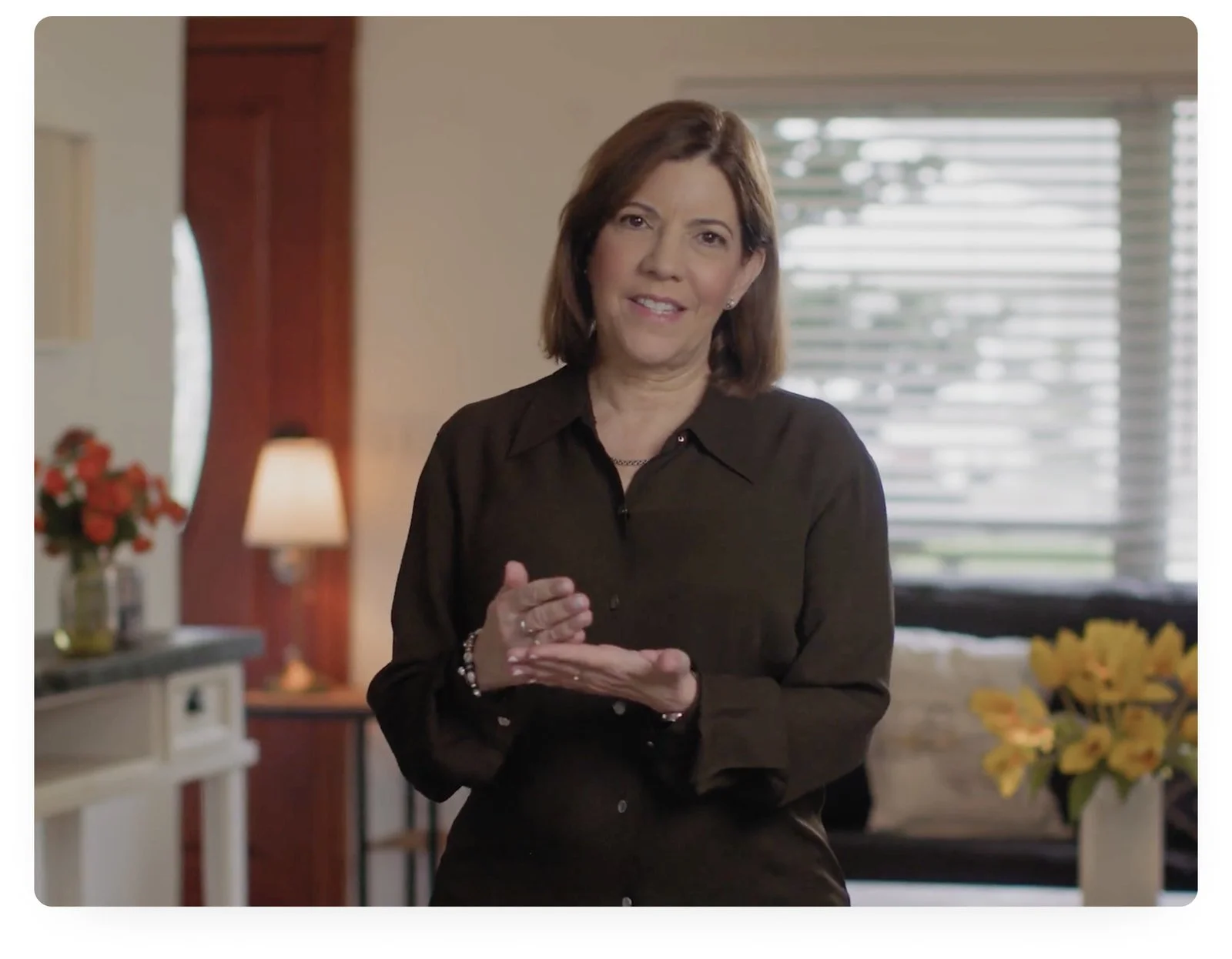
If your teen is struggling, you want to know who you're trusting with their care. Dr. Jill Rathus, co-founder and co-director of Cognitive Behavioral Associates, developed the adolescent and family version of DBT with Dr. Alec Miller and Dr. Marsha Linehan, the founder of DBT. That work includes Walking the Middle Path, the skills module that helps teens and parents step out of black-and-white thinking and argue less at home.
She co-wrote the main texts therapists use for DBT with teens and families, including DBT with Suicidal Adolescents and the DBT Skills Manual for Adolescents. She is board certified in DBT by the DBT-Linehan Board of Certification.
When your family comes to CBA for DBT in Great Neck, you're working with the practice Dr. Rathus co-founded and still co-directs.
Are you a clinician? See Dr. Rathus's online DBT training
DBT for Young Adults
Young adults and college students
Parents often ask us where their 18-to-22-year-old fits. They're too old for a teen program, but their parents still want to help. At CBA, young adults can do DBT with a parent involved, as long as the young adult agrees. It grows out of the family-based DBT that Dr. Jill Rathus co-developed for teens.
In the summer, we also run a DBT "boot camp" group for college students, led by Dr. Danielle Virgadamo and overseen by Dr. Rathus.
The summer boot camp
- For college students home for the summer, and high school seniors getting ready for college
- Six months of DBT skills, taught in about three months
- A weekly group for students in person at our Great Neck office, plus a weekly online group for students and parents together
- Skills for handling emotions, stress, and relationships, and for living more independently
The basics
What is DBT?
DBT is a structured form of cognitive-behavioral therapy that combines mindfulness with behavioral strategies. At Cognitive Behavioral Associates in Great Neck, NY, we use it with adults, adolescents, and families.

Group skills training
DBT Skills Taught in Group
In weekly skills groups, clients learn five core DBT skill areas:
Mindfulness
Become more centered, focused, and aware in the here and now so that you can be more attentive and more thoughtful and deliberate in your actions.
Distress Tolerance
Develop skills to help you ride out emotional stressors and painful situations without worsening your problems or emotional state.
Interpersonal Effectiveness
Enhance your interpersonal skills and become better equipped to maintain relationships, assert yourself, and build self-respect.
Emotional Regulation
Work to understand your emotions better, develop strategies for reducing your vulnerabilities to negative or all-consuming emotions, increase positive emotions, and learn how to change painful emotions that you want to change.
Walking the Middle Path
Learn how to walk the middle path between extremes in your thinking or behavior, break free of black & white thinking, increase your ability to validate others and yourself, reduce family conflict, and learn more effective ways to change behaviors.

What we treat
What Problems Does DBT Solve?
Our DBT program addresses:
- Impulsivity
- Emotional dysregulation
- Anxiety, depression, and anger
- Identity struggles and self-worth issues
- Interpersonal conflicts
- Suicidal thoughts
- Intentional self-injury
FAQ About DBT
What does DBT stand for?
DBT stands for dialectical behavior therapy. “Dialectical” refers to balancing two things at once: accepting yourself as you are while also working to change behaviors that aren’t helping you.
What is DBT used for?
DBT helps people who struggle with intense or overwhelming emotions, impulsivity, interpersonal conflict, identity and self-worth issues, suicidal thoughts, and intentional self-injury. It is also used for anxiety, depression, and anger.
What skills does DBT teach?
DBT teaches five core skill areas: mindfulness, distress tolerance, emotion regulation, interpersonal effectiveness, and walking the middle path. Together they help you ride out painful moments, communicate more effectively, and break free of black-and-white thinking.
How long does DBT take?
It varies by person. DBT combines individual therapy with weekly skills training, and many people take part for several months or longer so they have time to learn and practice each set of skills.
What is DBT phone coaching?
Phone coaching is support between sessions that helps you apply the skills you’re learning in real-life situations, without waiting until your next appointment.
Is DBT available for teens?
Yes. Our DBT therapists work with adults, adolescents, and families, and DBT skills can also help reduce family conflict.
Do you only see clients from Long Island?
No. Our office is in Great Neck, NY. We see people from Long Island, New York City, and elsewhere, in person and by telehealth.